If you’ve noticed gaps opening up in hardwood flooring every summer, or watched a laminate floor start to lift near an exterior door, you’ve already run into the reason flooring advice that works in a dry climate doesn’t always apply in Houston.
Humidity changes how materials behave, and Houston has more of it than most of the country. The flooring that holds up best here isn’t necessarily the flooring that’s most popular nationally.
Quick Answer
Waterproof options like WPC (waterproof polymer composite) planks, luxury vinyl plank with a moisture-resistant underlayment, and tile generally hold up best in Houston’s humidity. Solid hardwood and lower-grade laminate are the materials most likely to struggle, since they expand and contract with moisture changes in ways that lead to gaps, buckling, or warping.
Why Houston’s Climate Is Hard on Certain Flooring
Houston’s combination of high humidity and long, hot summers puts steady pressure on any material that absorbs moisture. Materials that expand and contract with humidity swings are the ones most likely to show problems over time: gaps opening in cooler, drier months and swelling or buckling during humid stretches.
Flooring That Holds Up Well in Houston
Waterproof Polymer Composite (WPC) Planks
WPC flooring uses a dimensionally stable core that resists the swelling and warping humidity causes in wood-based products, which makes it a strong option for Houston homes.
Luxury Vinyl Plank with Moisture-Resistant Underlayment
LVP paired with a cork or similar underlayment combines waterproofing with cushioning and, in the case of cork, natural moisture and mold resistance.
Tile
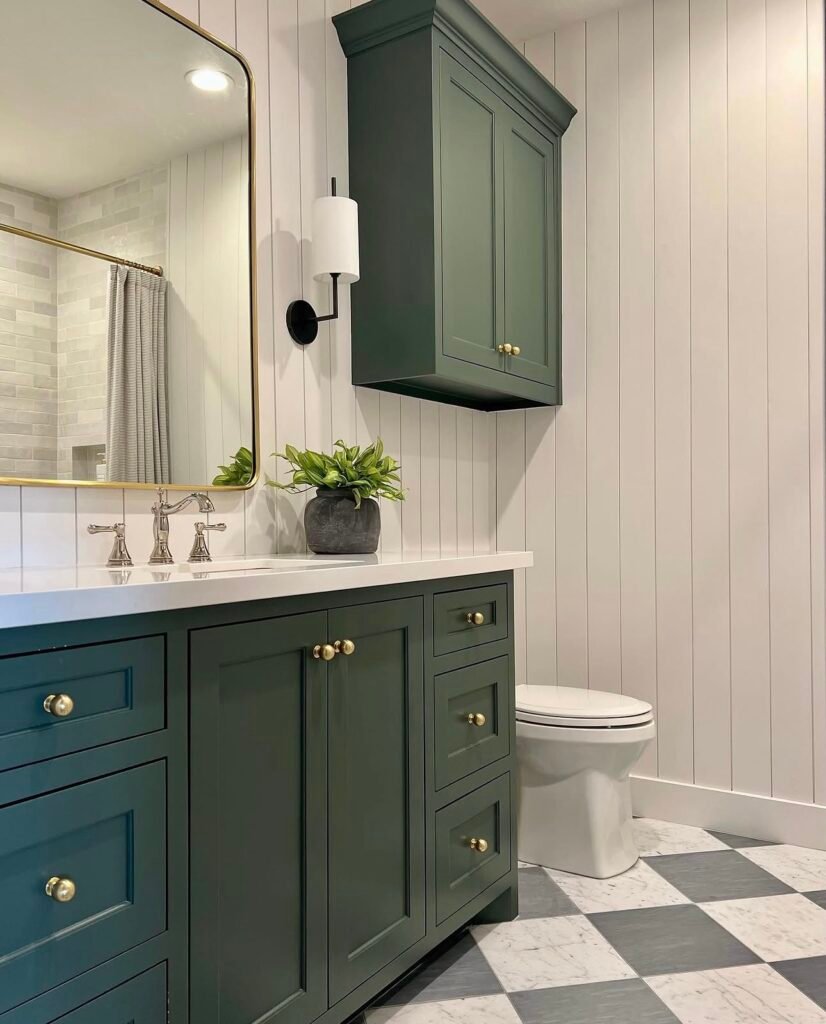
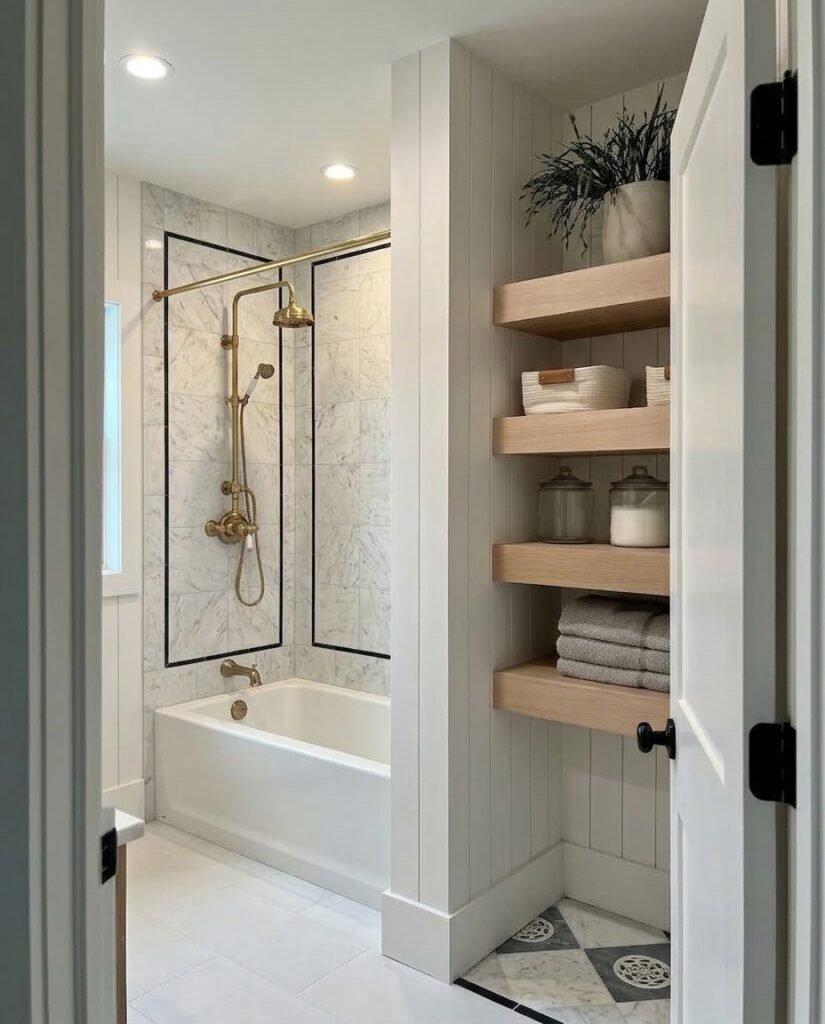
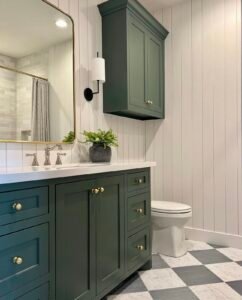
Tile is naturally water-resistant and holds up well in high-moisture areas like kitchens and bathrooms, though it comes with trade-offs in comfort underfoot and installation complexity.
Flooring to Approach with Caution
Solid Hardwood
Solid hardwood is the flooring most affected by Houston’s humidity swings. It behaves like a sponge, expanding when humidity is high and contracting when air conditioning dries the air back out, which over time can cause gaps, buckling, or cupping.
Lower-Grade Laminate
Budget laminate lacks the dimensional stability to handle consistent humidity changes and tends to show wear faster in a climate like Houston’s than it would in a drier region.
Flooring Comparison at a Glance
| Flooring Type | Humidity Resistance | Best Rooms | Watch For |
| WPC planks | High | Whole home, kitchens | Firmer underfoot than cork-backed LVP |
| Luxury vinyl plank (cork-backed) | High | Whole home, kitchens, bathrooms | Underlayment quality varies by product |
| Tile | High | Kitchens, bathrooms, entryways | Cold and firm underfoot, grout needs upkeep |
| Engineered hardwood | Medium | Living rooms, bedrooms | More stable than solid wood, still not ideal for wet areas |
| Solid hardwood | Low | Not recommended for high-moisture areas | Expands and contracts with humidity |
| Budget laminate | Low | Not recommended | Limited dimensional stability |
A Middle Ground: Engineered Hardwood
For homeowners who want the look of real wood in living areas or bedrooms, engineered hardwood offers more dimensional stability than solid hardwood because of its layered construction, though it’s still not the right choice for bathrooms or areas with direct water exposure.
Matching Flooring to the Room, Not Just the Look
The most common mistake isn’t choosing a bad material, it’s choosing the same material for every room regardless of moisture exposure. Kitchens and bathrooms benefit from the most water-resistant options, while living spaces and bedrooms have more flexibility.
FAQ
Does solid hardwood ever work in a Houston home?
It can, particularly in interior rooms with consistent climate control and away from exterior doors or high-moisture areas, but it requires more maintenance and carries more risk of gaps or warping than engineered alternatives.
What’s the most water-resistant flooring option?
Tile and WPC (waterproof polymer composite) planks are among the most water-resistant options commonly used in Houston homes.
Is tile a good choice for an entire house, not just wet areas?
It can be, though comfort underfoot and noise are common trade-offs homeowners weigh against tile’s durability and water resistance.
Can I use the same flooring in my kitchen and bathroom?
Yes, tile and waterproof vinyl products both work well in either space, which is part of why they’re common choices for homeowners who want consistency between the two rooms.
How do I know if my current flooring already has moisture damage?
Look for soft or spongy spots, visible gaps that weren’t there before, cupping or crowning in wood flooring, or a musty smell near exterior walls or plumbing fixtures.
Conclusion
In Houston, flooring decisions come down to matching the material’s moisture tolerance to the room it’s going in. The options that resist humidity best, tile, WPC, and moisture-resistant LVP, tend to hold their appearance and performance longer than materials built for drier climates.
If you’re weighing flooring options for a specific room, it helps to talk through what that space actually deals with: foot traffic, moisture exposure, and how long you want it to last. Start your project with SOSA Tile & Remodeling to go over what fits your home.
Sources
Canopy Floors, “The Best Flooring for Houston, TX Homeowners in 2026” https://www.canopyfloors.com/blogs/ideas-inspiration/the-best-flooring-for-houston-tx-homeowners-in-2026